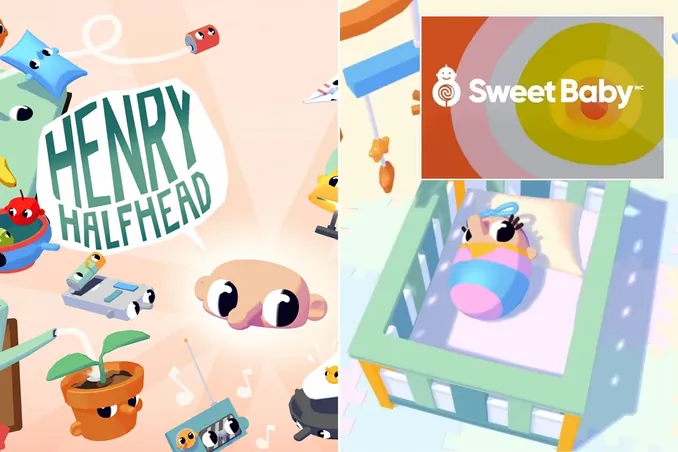
Henry Halfhead FLOPS With Just 44 Players as Sweet Baby Inc. Backlash Sparks Calls for Boycott
Gamers discovered Sweet Baby Inc.’s involvement and quickly abandoned Henry Halfhead, sending its player count into free fall.

Summary
- Indie game Henry Halfhead launched with only 44 peak players, sparking questions about its commercial viability.
- The title faced boycott calls after Lulu Entertainment’s partnership with Sweet Baby Inc. was revealed.
- Critics cite a pattern of poor sales and backlash for Sweet Baby–affiliated games, while supporters say the controversy overshadows gameplay.
The independent game Henry Halfhead has found itself at the center of controversy, not because of its mechanics or genre, but due to its association with a polarizing consulting firm.
The game, released this month by Lulu Entertainment, debuted to muted reception and has since been caught in an escalating boycott campaign after the involvement of Sweet Baby Inc. became public.
Related
Steam statistics show the game peaked at just 44 concurrent players in its first weeks on the platform, with daily activity dropping to barely a dozen active users soon after.
For a small studio, such numbers do not necessarily spell disaster, but the decline underscores how little traction the game has achieved in a crowded indie marketplace.
Indie developers often expect modest openings, yet Henry Halfhead was promoted with professional consultation and additional marketing support, factors that usually lift visibility.
Instead, the connection to Sweet Baby Inc. may have done the opposite.
Sweet Baby Inc. is a narrative consulting group that has worked with both large and small publishers on character development, dialogue, and representation in games.
Supporters view its role as helping studios build richer and more inclusive stories. Critics, however, argue the company wields outsize influence over creative direction, with some even accusing it of prioritizing ideological goals over gameplay.
The controversy is not new. Other titles with ties to the firm, including Suicide Squad: Kill the Justice League and Tales of the Shire, have faced online campaigns that blurred the line between business criticism and cultural battle.
In one leaked clip circulated earlier this year, a Sweet Baby Inc. staff member described using pressure tactics during disagreements with developers, fueling suspicion among detractors who already believed the group overreaches.
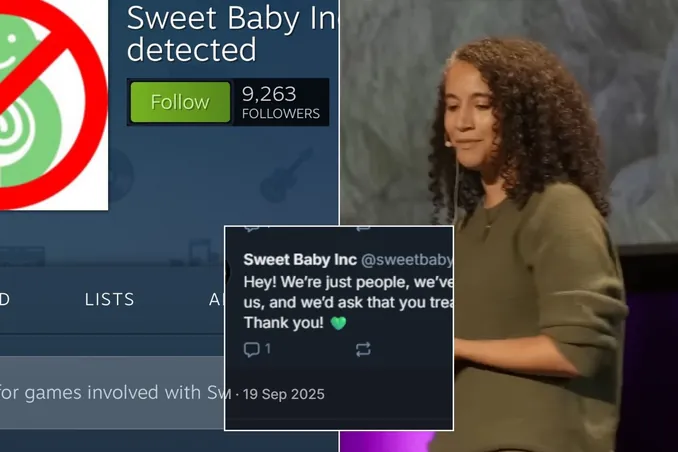
Shortly after release, commentators and gaming personalities flagged the firm’s involvement with Henry Halfhead.
Posts on social platforms highlighted Sweet Baby’s own announcement congratulating the team, a move intended as promotion but interpreted by critics as an admission of responsibility for the game’s direction.
The calls to boycott spread quickly.
Critics framed the decision to hire the company as evidence that the studio was disconnected from its player base.
Defenders of the game countered that consulting groups are a standard part of modern development, arguing the backlash was more about politics than playability.
The numbers, however, tell a difficult story. Tales of the Shire, another Sweet Baby–associated title built around the Lord of the Rings license, reached a peak of more than 6,700 players at launch but lost over 90 percent of its base within two months.
For an evergreen “cozy” game meant to encourage daily check-ins, such attrition suggests poor retention.
The comparison has not gone unnoticed by industry watchers. Some see Henry Halfhead’s early decline as a continuation of a trend where titles connected to the consultancy attract more scrutiny than support.
Others argue that the controversy itself overshadows whether the games were ever positioned for broad commercial success.
The stakes for independent studios remain high. Developing an original property requires years of work, limited budgets, and the hope that word-of-mouth or viral success can offset marketing disadvantages.
For Lulu Entertainment, hiring outside help may have been a way to strengthen a modest project. Instead, the partnership became a lightning rod.
Sweet Baby Inc. has defended its work in the past, suggesting its role is often exaggerated by critics. Yet the firm’s visibility has paradoxically grown from the very backlash it inspires.
The company’s executives have acknowledged they prefer to operate quietly, in part because public association with a title can trigger resistance before the game is even played.
The game’s mechanics, centered on navigating the world as a shape-shifting blob, are distinct but not designed for mass appeal.
Coupled with the controversy, the small audience it has drawn may represent its peak.
The broader question is how developers weigh the risks of hiring consultants whose names carry political baggage.
For now, the case of Henry Halfhead shows that reputation in the gaming industry can shape outcomes as much as gameplay itself.
Got a tip for us? Email: [email protected]. Did you find an error in this article? Email: [email protected].

Developers outline Silksong code distribution, supported platforms, and communication plans.